
Home Refurbishment vs Home Renovation: What's the Difference?
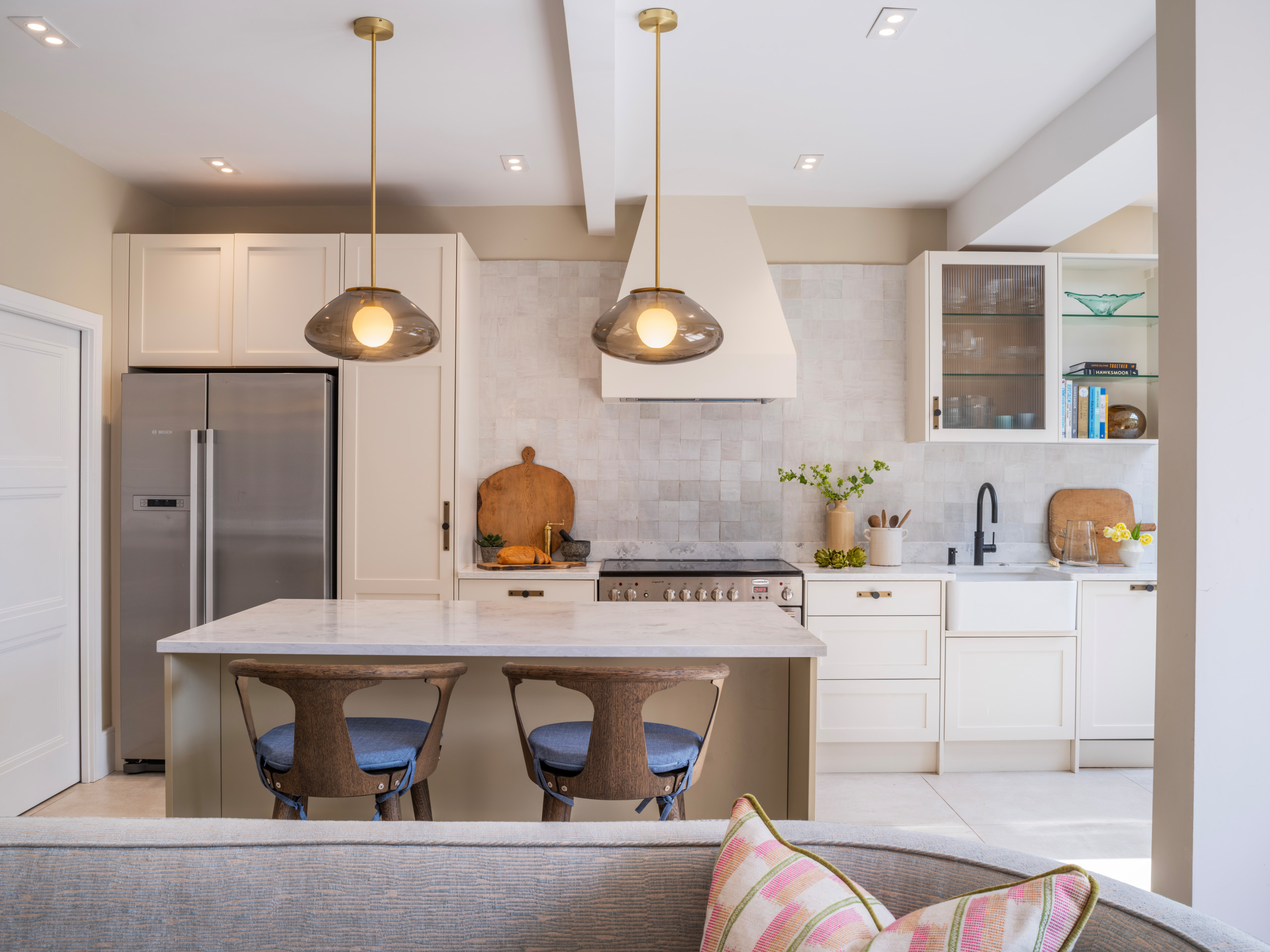
When planning to improve your property, you'll often hear the terms home refurbishment and home renovation used interchangeably. While they are closely related, they don't mean exactly the same thing.
Understanding the difference can help you plan your project more effectively, set realistic expectations and choose the right professionals to bring your vision to life.
If you're considering a home refurbishment in London, this guide explains everything you need to know before getting started.
What Is a Home Refurbishment?
A home refurbishment focuses on improving the appearance, functionality and comfort of an existing property without making major structural changes.
Refurbishment projects often include:
Decorating and painting
New flooring
Replacing kitchens or bathrooms
Bespoke joinery
Upgrading lighting
New fixtures and fittings
Modernising interiors
The goal is to refresh and enhance your home while working within its existing structure.
Home refurbishments are ideal if your property already has a layout that works well but needs updating to suit your lifestyle or aesthetic preferences.
What Is a Home Renovation?
A home renovation usually involves more significant work and often includes structural alterations to improve how the property functions.
A renovation may involve:
Removing or building internal walls
Rear or side extensions
Loft conversions
Reconfiguring layouts
Structural repairs
Updating electrical and plumbing systems
Renovation projects are often larger in scale and require careful planning, specialist contractors and, in some cases, planning permission.
Which Is Right for Your Property?
The right choice depends on the condition of your home and what you hope to achieve.
A home refurbishment may be the best option if:
You like your existing layout.
You want to modernise tired interiors.
Your kitchen or bathroom needs updating.
You're looking to increase your property's appeal.
A home renovation may be more suitable if:
Your home no longer works for your family's needs.
You want to create open-plan living.
You're extending your property.
Structural improvements are required.
An experienced interior designer can help you determine which approach offers the best results for your home.
Cost Considerations
Budget is one of the biggest factors when deciding between a refurbishment and a renovation.
Generally speaking:
Home Refurbishment
Typically focuses on cosmetic improvements and interior upgrades, making it the more affordable option for many homeowners.
Home Renovation
Usually involves higher costs due to structural work, additional labour, building regulations and longer project timelines.
Regardless of the project size, it's always advisable to include a contingency budget for unexpected costs.
Do You Need Planning Permission?
Planning permission depends on the type of work you're carrying out.
Many refurbishment projects do not require planning permission, particularly if you're only updating interiors.
However, renovations involving:
Extensions
Structural alterations
Listed buildings
Conservation areas
may require planning approval or building regulations.
If you're renovating a property in London, it's important to seek professional advice before work begins.
How Long Does Each Project Take?
Every home is different, but project timescales can vary considerably.
Typical Home Refurbishment
Depending on the size of the property, a refurbishment may take anywhere from a few weeks to several months.
Typical Home Renovation
Larger renovation projects involving structural work can take several months and, in some cases, longer.
Planning ahead and working with experienced professionals helps keep projects on schedule.
Which Adds More Value?
Both refurbishment and renovation can increase the value of your home, but the return often depends on the work being carried out.
Refurbishments can add value by:
Modernising kitchens and bathrooms
Improving interior design
Updating finishes
Enhancing first impressions
Renovations can add value through:
Creating additional living space
Improving layouts
Increasing functionality
Extending the property
The most successful projects combine practical improvements with timeless interior design.
Why Work with an Interior Designer?
Whether you're planning a refurbishment or a full renovation, working with an interior designer helps ensure every decision supports your overall vision.
An interior designer can help you:
Plan layouts that improve functionality
Create a cohesive design scheme
Select materials and finishes
Maximise natural light
Coordinate contractors and suppliers
Avoid costly design mistakes
Professional guidance ensures your investment delivers both beautiful results and long-term value.
Planning Your Next Project
Every successful home transformation starts with careful planning.
Before beginning your project, consider:
Your budget
Your long-term goals
How you use your home
Whether structural changes are necessary
The overall style you want to achieve
Taking the time to plan properly will help create a home that works beautifully for years to come.
Start Your Home Refurbishment in London with Confidence
Whether you're refreshing a single room or undertaking a complete property transformation, understanding the difference between a home refurbishment and a home renovation is the first step towards a successful project.
At Narulas Design Studio, we work closely with homeowners across London to create bespoke interiors that combine timeless design with practical living.
If you're planning a home refurbishment in London or considering a full home renovation, we'd love to discuss your ideas.
Contact Narulas Design Studio today to arrange a consultation: