
How to Choose the Right Interior Designer for Your Home
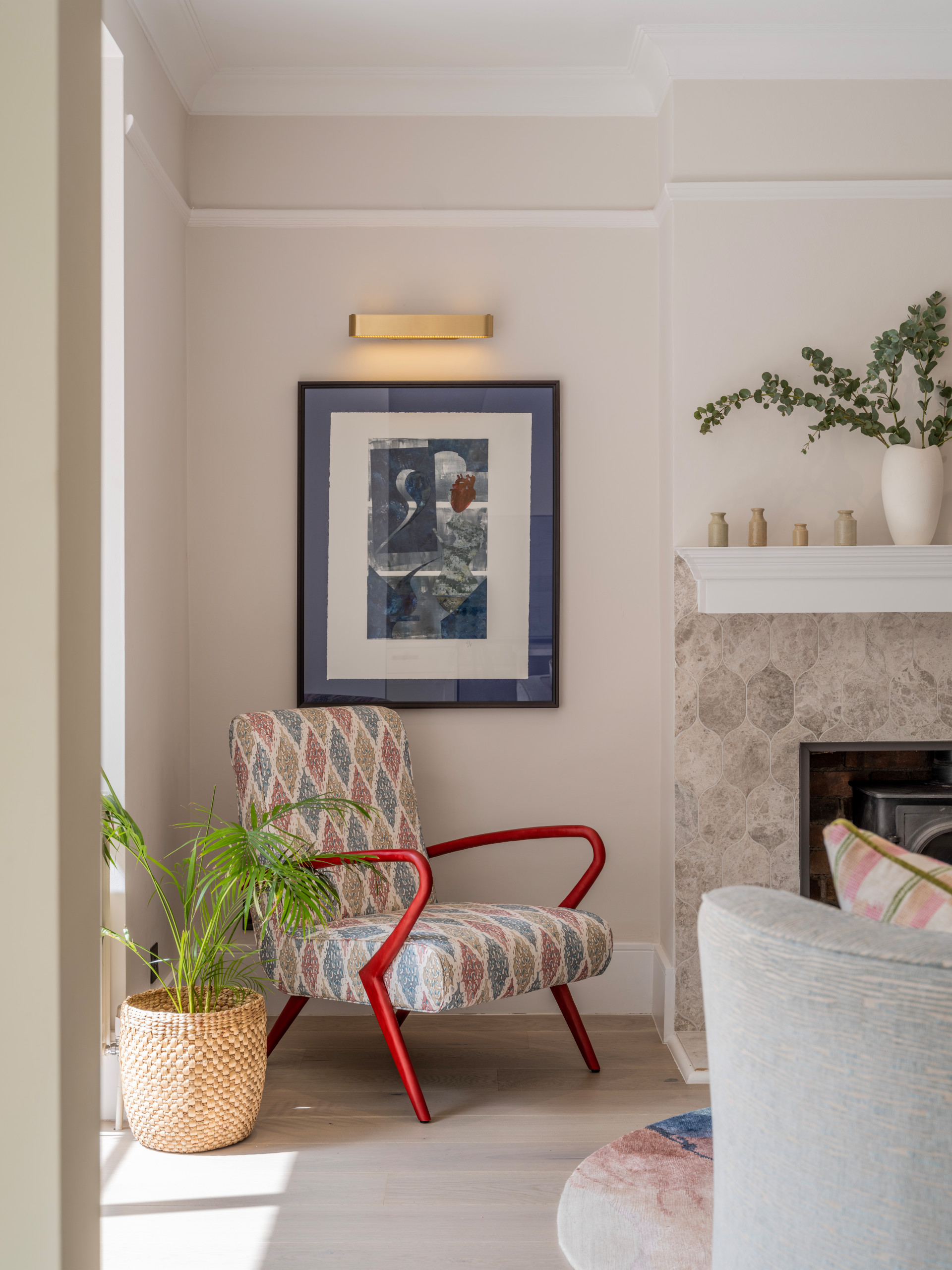
Choosing an interior designer is a significant decision.
Whether you are renovating one room, redesigning your kitchen or embarking on a complete home transformation, the designer you choose will have a major influence on both the process and the final result.
With so many studios, designers and different approaches available, knowing where to start can feel overwhelming.
The right interior designer isn't simply someone whose portfolio you like. They should understand how you live, communicate clearly, manage the practical details of a project and create a design that feels right for you.
Here are some of the key things to consider.
Look beyond the photographs
A portfolio is an important starting point, but it shouldn't be the only factor.
Look at the projects carefully.
Do you like the overall aesthetic? Are the spaces practical as well as beautiful? Is there variety between projects, or does every home look the same?
The strongest designers should be able to adapt their approach to the architecture and personality of each property.
Consider their design philosophy
Every interior designer has a different way of working.
Some focus heavily on a particular aesthetic, while others take a more collaborative approach.
Think about what you want from the relationship.
Do you want a designer who takes complete creative control? Or would you prefer to be closely involved in decisions?
There is no right or wrong answer, but finding a designer whose approach matches your expectations is important.
Make sure they understand your lifestyle
Your home should be designed around the people who live in it.
A family home requires different considerations from a pied-à-terre. Someone who regularly entertains will have different requirements from someone who prefers quiet evenings at home.
Before appointing a designer, consider whether they ask questions about how you actually live.
The best interior design starts with understanding the client.
Ask about their services
Interior design can cover very different levels of involvement.
Some clients need help selecting colours and furniture. Others require a much more comprehensive service involving space planning, bespoke joinery, kitchens, lighting, procurement and project coordination.
Be clear about what you need.
If you're undertaking a significant renovation, it can be beneficial to work with a studio capable of considering the entire interior rather than individual elements in isolation.
Think about the whole project
One of the advantages of working with an interior design studio is having someone consider how different aspects of the project work together.
For example, the kitchen shouldn't simply look beautiful on its own.
Its materials should relate to the flooring, lighting, dining area and adjoining spaces.
Similarly, bespoke joinery should work alongside the architecture rather than competing with it.
A holistic approach creates a much more cohesive result.
Discuss your budget openly
Budget is an important part of any interior design project.
Being transparent from the beginning allows your designer to make informed decisions about materials, furniture, joinery and other elements.
A good designer can help prioritise where investment will have the greatest impact.
Sometimes the most effective design decisions are not necessarily the most expensive ones.
Communication matters
You will spend considerable time communicating with your designer, particularly during a larger project.
Ask yourself whether you feel comfortable speaking openly with them.
Do they listen? Do they explain their ideas clearly? Are they responsive? Do they understand your priorities?
A strong working relationship can make the entire process considerably more enjoyable.
Consider their experience
Experience doesn't simply mean the number of years someone has been designing interiors.
Consider the type of projects they have worked on.
Have they designed homes similar to yours? Have they worked on renovations? Do they have experience with bespoke joinery or kitchens?
Relevant experience can be particularly valuable when dealing with the complexities of a larger residential project.
Look at the details
When reviewing a designer's portfolio, look closely at the details.
How are materials combined? How has storage been incorporated? Are lighting and architectural features considered?
Luxury interiors often stand out because of details that aren't immediately obvious.
It might be the proportions of a bespoke cabinet, the way a curtain meets the floor or how different materials transition between spaces.
Attention to detail is one of the hallmarks of successful interior design.
Think about how you want your home to feel
Perhaps the most important question isn't "What style do I like?"
Instead, ask:
How do I want my home to feel?
Calm? Warm? Sophisticated? Inviting? Dramatic? Relaxed?
An experienced designer can help translate those feelings into materials, colours, lighting and furniture.
This is often more valuable than simply selecting a particular style from a trend list.
The right designer should make the process easier
A major renovation can involve countless decisions.
Materials need to be selected. Furniture needs to be sourced. Joinery needs to be designed. Lighting needs to be considered. Different elements need to work together.
The right interior designer can bring structure and clarity to this process.
Instead of making every decision independently, you have someone helping guide the project towards a cohesive result.
Finding the right fit
Ultimately, choosing an interior designer is about finding the right combination of design, experience and relationship.
You should like their work, trust their judgement and feel confident that they understand what you want from your home.
At Narulas Design Studio, we take a considered and bespoke approach to residential interiors, creating spaces that balance individuality, functionality and refined design.
Whether you're considering a single-room transformation or a complete home refurbishment, choosing the right design partner is the first step towards creating a home that feels truly yours.