
How to Design a Period Property for Modern Living
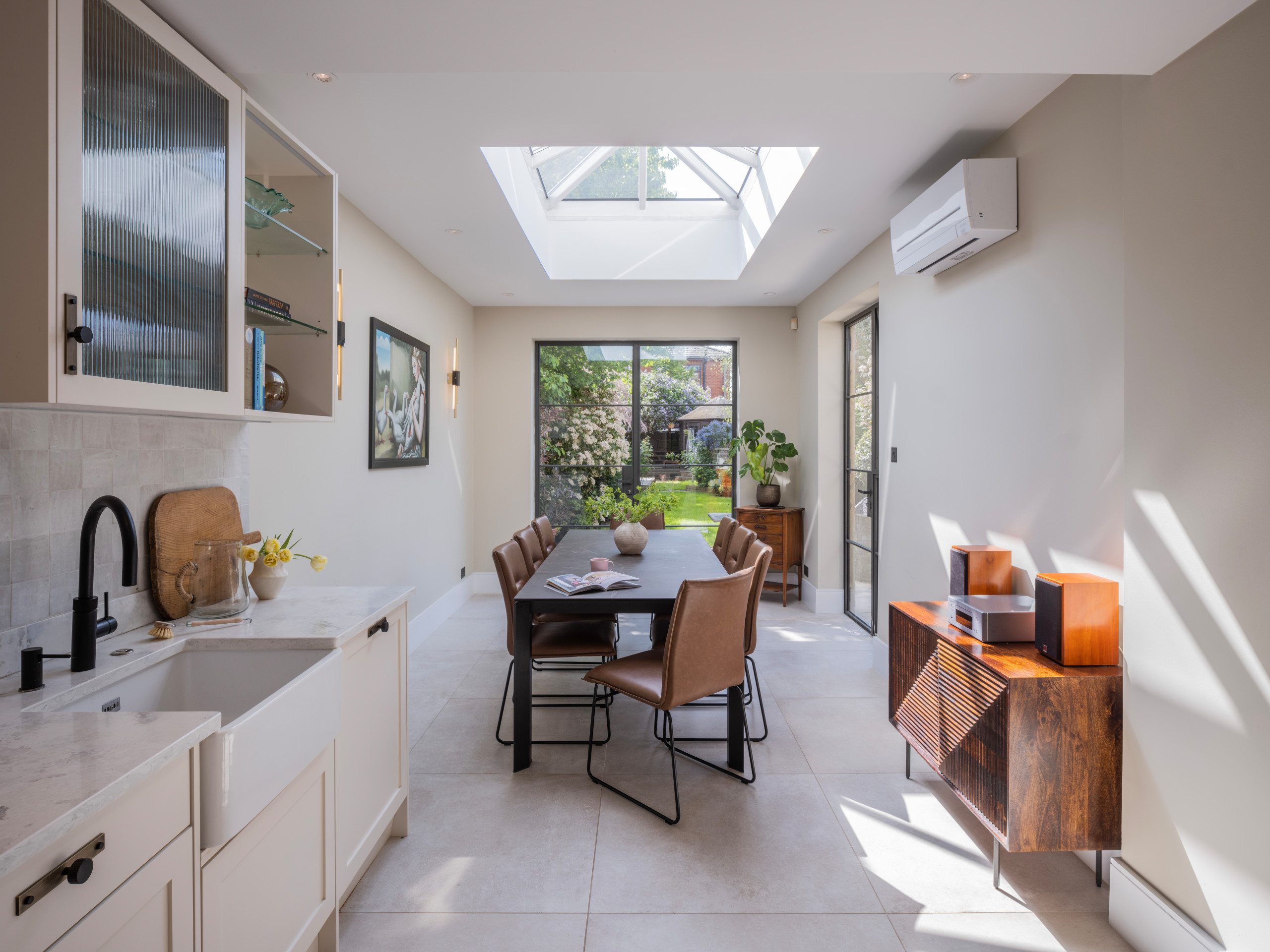
Period properties have a character that is difficult to recreate.
From original fireplaces and ceiling details to sash windows, exposed beams and beautiful proportions, older homes often have architectural features that give them a unique sense of identity.
But living in a period property can also present challenges.
Modern homeowners expect comfortable kitchens, practical storage, contemporary bathrooms, good lighting and spaces that work for everyday life. The challenge is bringing these requirements into an older home without losing the character that made you fall in love with it in the first place.
The most successful period-property interiors don't try to turn an old house into a brand-new one. Instead, they create a thoughtful relationship between the original architecture and contemporary design.
Start by understanding the property
Before making any design decisions, take time to understand the home's existing architecture.
Look at the original features, proportions, materials and details.
Which elements should be preserved? Which could be restored? Where are there opportunities to introduce something contemporary?
This understanding should form the foundation of the interior design.
Rather than treating the existing architecture as an obstacle, use it as a starting point.
Preserve the features that give the home character
Original features can be some of the most valuable elements in a period property.
Fireplaces, cornicing, panelling, doors, flooring and windows can all contribute to the character of a room.
Where possible, these should be restored rather than removed.
This doesn't mean every element needs to remain untouched. Some features may require updating or careful adaptation to suit modern living.
The key is understanding what gives the property its identity.
Introduce contemporary elements carefully
A period property doesn't need to be decorated entirely in a traditional style.
Contemporary furniture, modern lighting and minimalist joinery can create a beautiful contrast with older architectural details.
For example, a contemporary kitchen can sit comfortably within a Victorian or Edwardian home when its materials and proportions have been carefully considered.
The contrast between old and new can actually make both elements feel more distinctive.
Create a modern kitchen without losing character
The kitchen is often one of the biggest challenges in a period property.
Modern life demands considerably more from a kitchen than it once did.
It may need to accommodate cooking, dining, entertaining, storage and even working from home.
A bespoke kitchen can be designed to meet these requirements while responding to the character of the property.
Cabinetry can echo existing architectural details without becoming overly traditional, while natural materials can help bridge the gap between old and new.
Use colour to connect old and new
Colour can be an effective way to create harmony between contemporary and traditional elements.
Instead of using stark contrasts, consider warmer neutrals, earthy tones and muted colours that complement the existing architecture.
A deeper shade can also be used to highlight original woodwork, panelling or fireplaces.
The right colour palette can make a room feel contemporary without making the architecture feel disconnected from the design.
Think carefully about lighting
Period properties can have beautiful architectural details that deserve to be highlighted.
Layered lighting can draw attention to fireplaces, panelling, artwork and original features while creating a comfortable atmosphere.
Wall lights can work particularly well in traditional rooms, while discreet architectural lighting can introduce a contemporary layer.
The aim is to combine modern functionality with an appropriate sense of atmosphere.
Introduce bespoke storage
Storage is one area where period properties often struggle.
Rooms may have beautiful proportions but limited built-in storage.
Bespoke joinery provides an opportunity to solve this problem without compromising the character of the home.
Cabinetry can be designed around fireplaces, alcoves and unusual architectural features, making use of spaces that might otherwise remain unused.
The result is practical storage that feels as though it belongs to the property.
Don't be afraid of contrast
One of the most effective ways to make a period property feel contemporary is through contrast.
A traditional fireplace can sit alongside a modern sofa.
Original timber flooring can work with contemporary furniture.
Classic architectural details can be paired with sculptural lighting.
These contrasts create depth and prevent the interior from becoming too predictable.
Consider the home as a whole
Period properties often have a strong sense of connection between rooms.
When renovating, think carefully about how each space relates to the next.
The kitchen, hallway, living spaces and bedrooms don't need to look identical, but they should share certain materials, colours or design principles.
This creates a cohesive home rather than a collection of individually decorated rooms.
Modern living, historic character
The best period-property interiors don't attempt to choose between traditional and contemporary design.
They combine the two.
The result is a home where original architectural features are respected, but everyday life is made easier through thoughtful planning, bespoke storage, modern lighting and carefully selected furniture.
For homeowners, this can offer the best of both worlds: the character and individuality of a period property with the comfort and functionality expected from a modern home.
At Narulas Design Studio, we create bespoke residential interiors that respond to the architecture of each property and the lifestyle of the people who live there.
If you're considering renovating a period property and want to preserve its character while creating a home designed for modern living, get in touch to discuss your project.