
The Power of Lighting in Interior Design
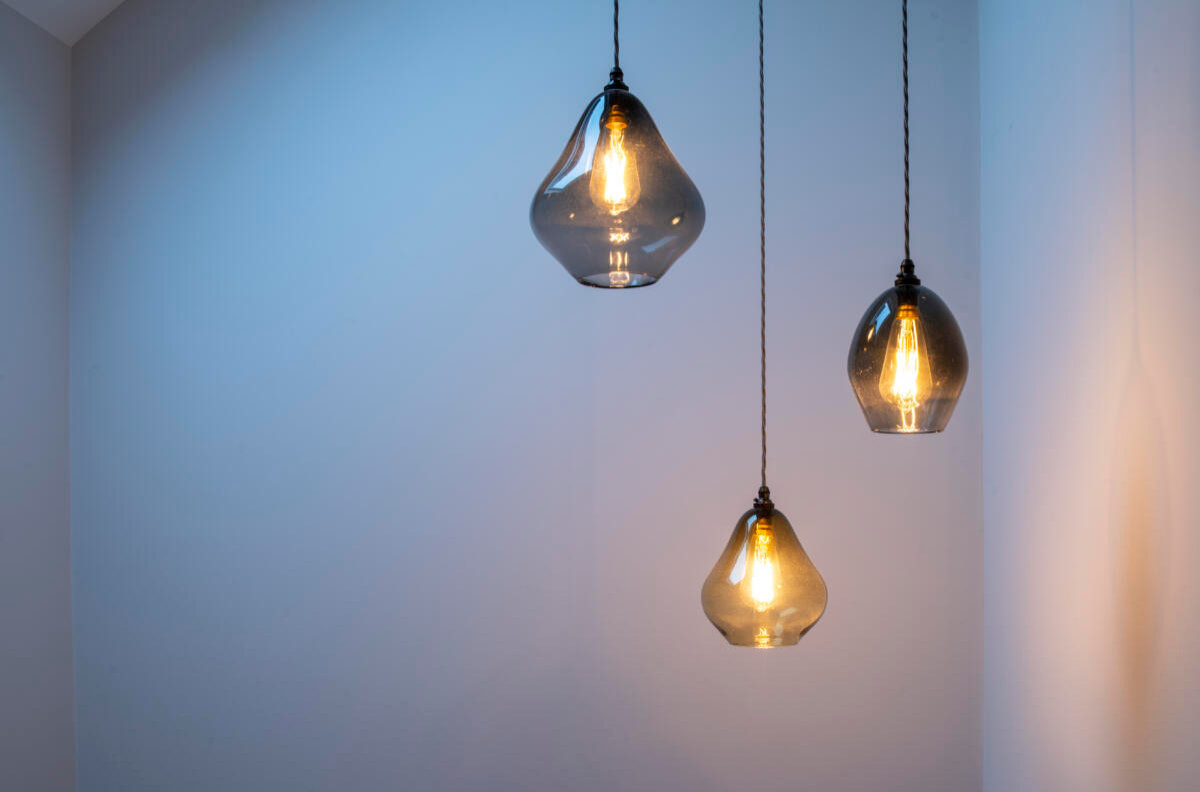
Lighting is one of the most transformative elements in interior design, yet it is often overlooked. The right lighting can completely change how a space looks and feels — enhancing functionality, creating atmosphere and highlighting key design features.
Whether you are designing a new home or renovating an existing space, understanding the power of lighting is essential.
Why Lighting Matters
Lighting does more than simply illuminate a room. It plays a key role in shaping the overall experience of a space.
Good lighting can:
- Make a room feel larger and more open
- Create warmth and ambience
- Highlight textures, colours and architectural details
- Improve functionality for everyday tasks
Without thoughtful lighting, even the most beautifully designed space can feel incomplete.
The Three Layers of Lighting
A well-designed space uses a combination of lighting types to achieve balance and flexibility.
1. Ambient Lighting
This is the main source of light in a room, providing overall illumination. Examples include ceiling lights and recessed lighting.
2. Task Lighting
Task lighting is designed for specific activities such as cooking, reading or working. This includes under-cabinet kitchen lighting or desk lamps.
3. Accent Lighting
Accent lighting highlights features such as artwork, architectural details or decorative elements.
Combining these layers creates a dynamic and adaptable lighting scheme.
Creating Atmosphere with Lighting
Lighting has a powerful effect on mood and atmosphere. Soft, warm lighting can make a space feel cosy and inviting, while brighter lighting is ideal for functional areas.
Consider:
- Dimmable lighting for flexibility
- Warm tones for living spaces
- Brighter, cooler lighting for kitchens and bathrooms
This allows you to adjust the space depending on the time of day and activity.
Highlighting Design Features
Lighting can be used to draw attention to the most beautiful aspects of your home.
Examples include:
- Illuminating a feature wall
- Highlighting bespoke joinery
- Showcasing artwork or shelving
- Enhancing textures such as stone or wood
This adds depth and visual interest to the space.
Lighting as a Design Statement
In modern interiors, lighting is not just functional — it is also a key design feature.
Statement lighting can include:
- Pendant lights over a kitchen island
- Sculptural chandeliers
- Decorative wall lights
- Minimalist LED features
These elements can act as focal points while enhancing the overall design.
The Importance of Professional Lighting Design
Lighting design requires careful planning and expertise. An interior designer considers:
- Placement and spacing of fixtures
- Balance between different light sources
- Integration with the overall design
- Practical needs of the household
This ensures the lighting enhances both the aesthetics and functionality of the space.
Transform Your Space with Thoughtful Lighting
Lighting has the power to elevate any interior, turning a well-designed space into something truly exceptional.
If you are planning a renovation or redesign and want to make the most of your home’s lighting, you can get in touch with Narulas Design Studio here:
https://narulasdesignstudio.com/contact
With the right approach, lighting can completely transform the way your home looks and feels.